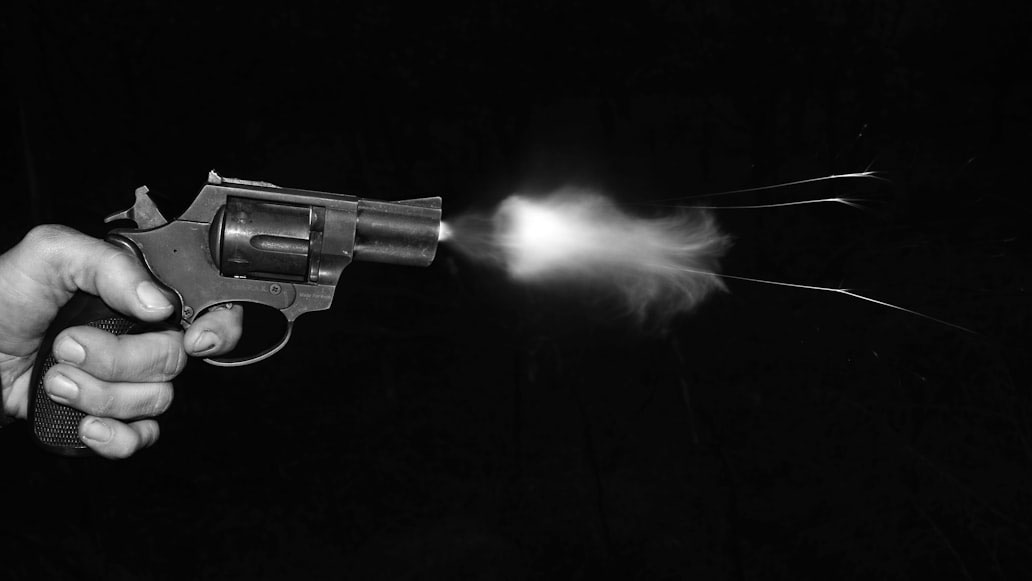
Assault with a weapon in Canada is broader than an assault involving a firearm or knife. Under the Criminal Code, the offence can arise when a person uses, carries or threatens to use a weapon or imitation weapon while committing an assault. Physical injury is not required.
Jaswal & Krueger are Surrey criminal defence lawyers who represent individuals charged with assault offences throughout the Lower Mainland. Understanding how section 267 applies requires looking at the underlying assault, the alleged weapon and the circumstances in which the object was used or displayed.
The Criminal Code Definition of Assault with a Weapon
Section 267 of the Criminal Code addresses assault with a weapon, assault causing bodily harm and choking, suffocating or strangling another person. Assault with a weapon occurs when a person carries, uses or threatens to use a weapon or imitation weapon while committing an assault.
For a conviction, the Crown must first establish that an assault occurred. This generally means proving that the accused intentionally applied force to another person without consent, or attempted or threatened to apply force in circumstances where the person had the apparent ability to carry out the threat. Saying that, assault with a weapon can also include simply threatening someone, even if there is no contact with them.
The Crown has to also prove the weapon component of the offence. The evidence must establish that the object was carried, used or threatened to be used as a weapon in connection with the assault. An injury does not have to result.
The surrounding circumstances play an important role in these cases. Courts may consider what the object was, how it was handled, what was said during the incident and how the alleged interaction unfolded. Witness testimony, surveillance footage, photographs, physical evidence and statements to police can all become relevant.
What Counts as a Weapon in Canada
The Criminal Code defines a weapon as anything used or intended to cause death or injury, or to threaten or intimidate another person, which is not limited to manufactured weapons. Depending on how it’s used, an ordinary object like a bottle, a vehicle, or a shoe can qualify as a weapon.
Section 267 also applies to imitation weapons. An object that looks like a real weapon can support an assault with a weapon charge even if it can’t actually cause any physical harm.
Whether an object qualifies as a weapon depends on how it was allegedly used in the circumstances.
How Assault with a Weapon Compares to Other Assault Charges
The Criminal Code distinguishes between three levels of assault. Simple assault under section 266 is a lesser charge that applies when no significant injury occurs. Section 267 covers assault with a weapon and assault causing bodily harm, while section 268 applies to aggravated assault involving more serious injury.
Assault causing bodily harm requires an injury that is more than minor or temporary. Assault with a weapon does not require injury at all, and an incident involving both a weapon and bodily harm may support more than one charge under section 267.
Penalties and Crown Election
Assault with a weapon is a hybrid offence, so the Crown can proceed either by indictment or summarily depending on the seriousness of the allegations and the accused’s criminal history.
When prosecuted by indictment, the offence carries a maximum sentence of 10 years’ imprisonment. Summary proceedings are subject to lower sentencing limits and are heard in provincial court.
The final sentencing all depends on the weapon involved, how it was used, any injuries, the relationship between the parties and the accused’s prior criminal record. If a conviction is granted, it can result in weapons prohibitions and a criminal record that may affect future employment, licensing and international travel.
At Jaswal & Krueger, our criminal defence services cover each stage of a section 267 prosecution, giving you a strong legal defense team on your side, from bail and disclosure review to Crown negotiations and trial.
How a Defence Lawyer Fights These Charges
Every assault with a weapon case relies on its own facts. At Jaswal & Krueger, we start by looking closely at what the Crown can actually prove.
Self-defence can be an important issue, especially where the accused was responding to force or a threat of force. Witness accounts, surveillance footage and inconsistencies in the evidence can also affect the strength of the Crown’s case.
As your legal counsel, we look at how police obtained statements and other evidence. If Charter rights were breached through an unlawful search or improperly obtained statement, that evidence may be challenged in court.
From there, we review disclosure, release conditions and possible resolutions while preparing the defence around the facts of the case.
Talk to Jaswal & Krueger About Your Assault Charge
An assault with a weapon charge can affect far more than the immediate court case. A conviction may lead to imprisonment, weapons restrictions and a criminal record, making it important to understand the evidence against you and the options available from the outset.
Jaswal & Krueger represents clients charged with assault offences in Surrey, BC and surrounding courts. We take the time to examine how the incident unfolded, what evidence the Crown is relying on and where that evidence may be challenged.
Read what past clients say about working with our firm, or contact Jaswal & Krueger to book a consultation and discuss your case.