Gun laws and domestic violence now interact under a stricter national framework. Bill C-21 introduced new measures, most of which are now in effect, that expand the tools courts and police use when they believe firearm access could raise risk. The legislation forms part of the federal government’s plan to strengthen gun control and reduce gun violence.
The Criminal Code already allowed courts to impose prohibitions, but Bill C-21 strengthens the authority to act early when a peace officer or judge identifies a concern related to intimate partner violence or family violence. However, some mechanisms are not yet fully implemented, meaning not every domestic-violence situation triggers an automatic prohibition under the current framework.
This post can help you understand how gun laws and domestic violence intersect under these new rules, how these changes may affect individuals facing domestic-violence-related investigations or charges, and what legal rights and options remain available.
A Guide on Canadian Gun Laws and Domestic Violence
Immediate Firearm Restrictions After a Domestic Violence Charge
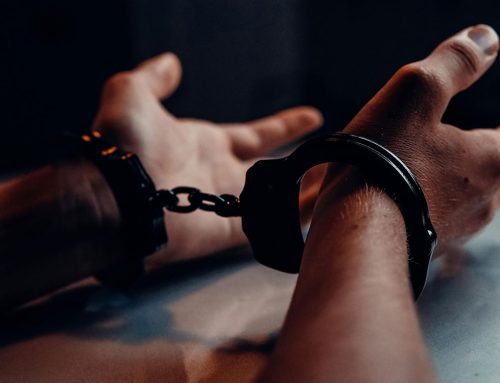
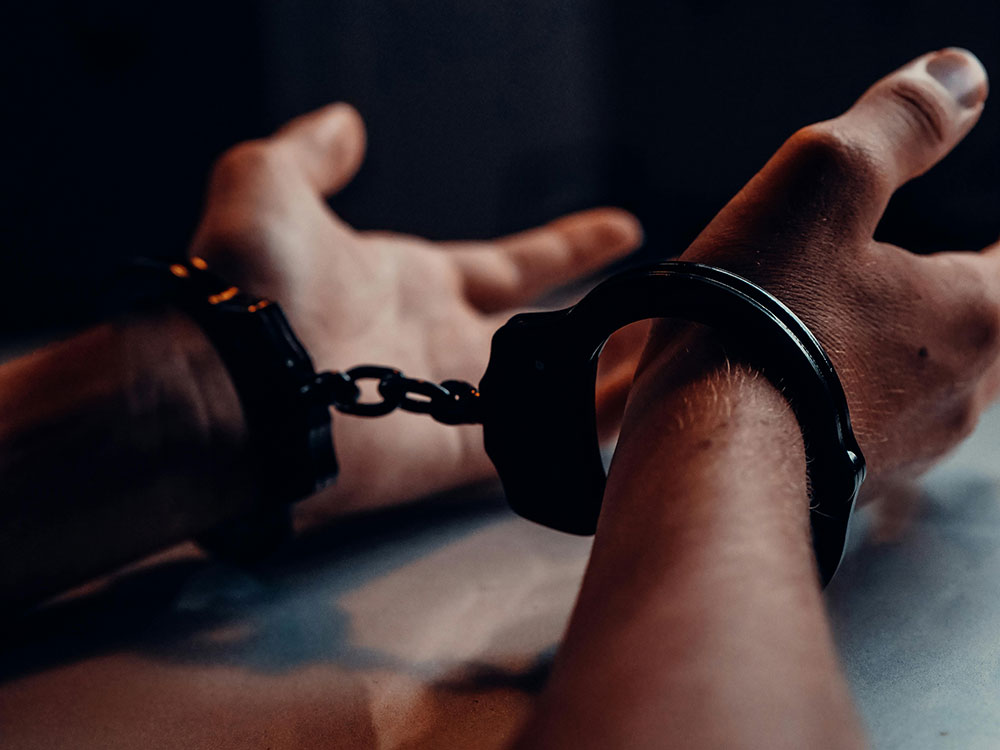
A domestic violence allegation often triggers limits before the case reaches a courtroom. Release conditions can prohibit possession of firearms where safety concerns arise.
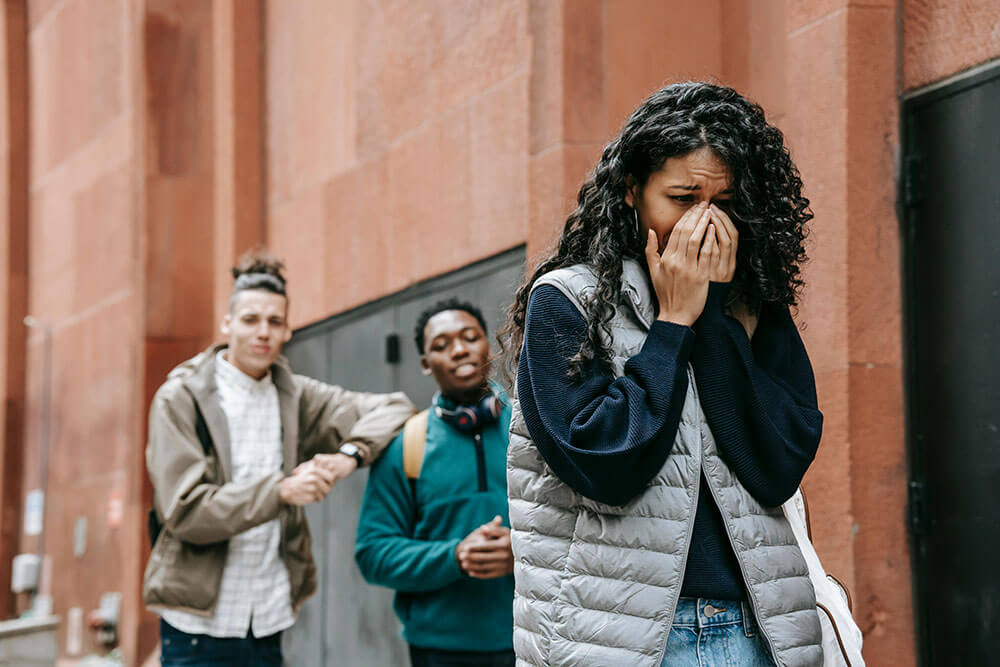
These decisions usually arise at the start of an investigation when law enforcement officers respond to a volatile incident involving an intimate partner or a family member. The court focuses on stability and prevention during this stage.
Protective Orders and Mandatory Surrender Requirements
A protection order or peace bond may require a person to surrender firearms, ammunition, licences, registration certificates, and related documents. Once the order is active, police may also remove firearms from a home, vehicle, workplace, storage unit, or anywhere else they are kept.
The order should be read closely and acted on within the required timeline. For someone who hunts, works with firearms, travels with them, or belongs to a shooting club, the effect may be immediate. A missed deadline, unclear storage arrangement, or continued access to a firearm can lead to further charges.
How PAL and RPAL Eligibility Shifts After a Conviction
A domestic violence conviction can affect a person’s PAL or RPAL well beyond sentencing. The Chief Firearms Officer may review whether the person can keep, renew, or apply for a firearms licence, and rules introduced in 2025 make licensing much harder after a conviction involving violence, attempted violence, or threats against an intimate partner or family member. A judge may also impose a weapons prohibition order, which can restrict access to firearms and other weapons for a set period.
How Risk Assessments Shape Firearm Decisions
Courts rely on risk assessments during both temporary and ongoing decisions, which consider prior calls for service, access to other weapons, and details from the incident itself. The court may find an urgent need to impose conditions if reasonable grounds to suspect harm exist. For licensing decisions, Chief Firearms Officers now have the authority to revoke a licence within 24 hours if they have reasonable grounds to suspect that the licence holder has engaged in domestic violence or stalking.
Reinstating Firearm Rights After a Case Concludes
The conclusion of a criminal case does not automatically restore gun rights. Even when charges are withdrawn or resolved through diversion, prohibitions can stay in place until formally addressed. This process engages both the court and the Chief Firearms Officer, and administrative decisions require separate action. A careful approach helps rebuild eligibility and return to work or sport once the court and licensing authorities are satisfied.
Why Early Legal Support Matters in Domestic Firearm Cases
These files progress without much warning. Police respond aggressively in many instances because the subject may present an immediate risk. We guide clients through these early events and prevent temporary measures from escalating into long-term barriers. Strong advocacy helps stabilize the file and gives you a clear path forward.
Jaswal & Kruger As A Steady Legal Hand When Firearm Rights Are at Risk
Firearm restrictions can raise urgent questions in a domestic violence case. Where do the firearms go? Who can handle them? What happens to a shared home, a job requirement, a hunting licence, or a pending PAL renewal?
At Jaswal & Krueger, we review the charge, the order, the surrender terms, and any licensing concerns before advising on the next step. Our domestic violence lawyers help clients understand what must be done right away and what should be challenged, clarified, or raised in court.
We defend clients facing domestic violence allegations, firearm restrictions, and related PAL or RPAL concerns. You can also read our Criminal Law beginner guide for a broader overview of Canadian criminal procedure. Contact Jaswal & Krueger for a free initial consultation.