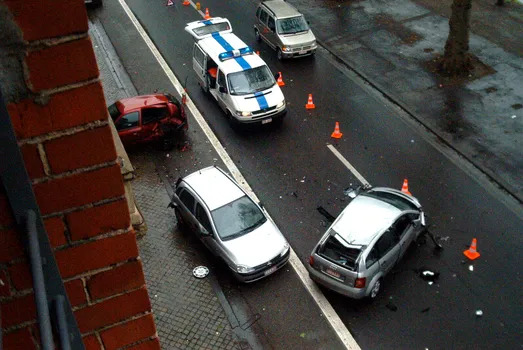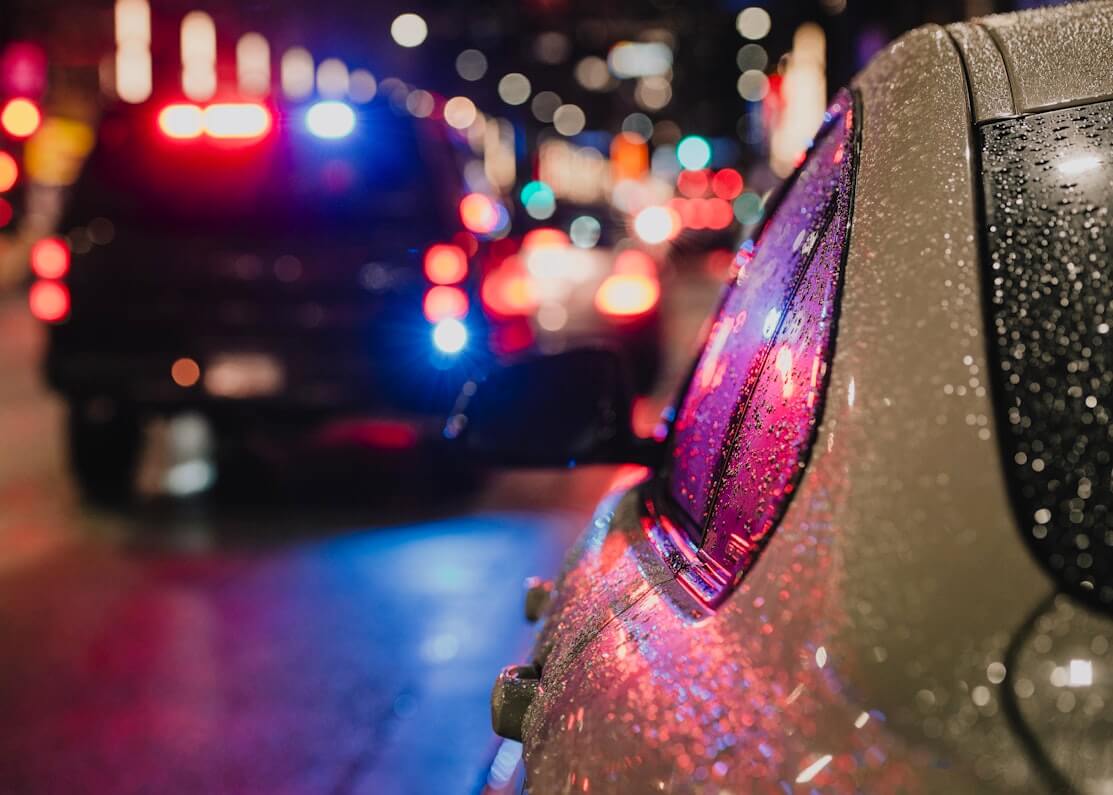
A traffic stop involving alcohol, drugs, or a driving prohibition can become serious very quickly. Police may ask for a breath sample, issue a roadside suspension, impound the vehicle, or begin a criminal investigation.
At Jaswal & Krueger, our Drunk Driving Lawyer and Driving Defence Lawyer represents people charged with impaired driving, driving while prohibited, and other driving-related offences in British Columbia. These cases can affect a person’s licence, job, insurance, family responsibilities, and criminal record.
Driving while prohibited carries serious penalties. RoadSafetyBC states that a first offence includes a minimum $500 fine, a 12-month driving prohibition, and possible jail time. For a second offence, jail is mandatory.
This article explains recent impaired driving law changes in Canada, including roadside alcohol screening, drug-impaired driving, THC offences, penalties, breath test evidence, and provincial licence consequences.
How New Impaired Driving Laws in Canada Work
Legislative Reforms That Changed Impaired Driving Law
Bill C-46 made major changes to Canada’s impaired driving laws. It gave police broader roadside screening powers, added drug-impaired driving offences, and increased penalties in some cases.
For drivers, the first few minutes of a stop can matter later. The reason for the stop, the officer’s instructions, the timing of the demand, and the testing steps may all become part of the case. Even a short roadside exchange can create records, reports, and legal issues that need careful review.
Mandatory Alcohol Screening After a Lawful Stop
Mandatory Alcohol Screening allows police to demand a breath sample after a lawful traffic stop. The test is usually done at the roadside with an approved screening device.
A stop for speeding, a broken tail light, a collision, or unusual driving may lead to a breath demand. The officer must still make the demand properly and follow the rules for roadside testing.
The test may only take a few seconds, but the legal review can be more detailed. A lawyer may look at what the officer said, when the demand was made, how the device was used, and when the driver had access to legal advice.
Understanding BAC Limits and the 0.05 Discussion
Blood alcohol concentration, or BAC, measures alcohol in the bloodstream. Under the Criminal Code, the main alcohol limit is 80 mg of alcohol in 100 mL of blood. Many people refer to this as 0.08.
Lower readings, including 0.05, are usually handled through provincial roadside penalty systems. In British Columbia and several other provinces, a driver may still face an immediate suspension, towing costs, impound fees, insurance problems, and a sudden loss of driving privileges.
For someone who drives to work, takes children to school, attends medical appointments, or lives outside a major transit area, losing a licence can create problems right away.
Drug-Impaired Driving Enforcement and THC Offences
Canada’s impaired driving law includes drug-impaired driving offences and combined alcohol-and-drug offences. The Criminal Code now contains offences tied to specific drug concentrations, including THC, as well as offences based on impairment. Police drug-impaired investigations may involve Standardized Field Sobriety Tests (SFST), Drug Recognition Expert (DRE) evaluations, and bodily fluid samples depending on the circumstances and the investigative steps taken. For clarity, the Criminal Code approach is not based on a mere detectable amount of a substance in the body; the per se offences are tied to prescribed concentration thresholds, and impairment-based offences focus on proof of impairment. The rise in enforcement after the legalization of cannabis is one reason these provisions come up so often in real cases.
Penalties, Mandatory Minimums, and Higher Exposure Cases
Impaired driving penalties can affect a person’s licence, record, job, insurance, and ability to travel. A first offence can still lead to a criminal record, a fine, a driving prohibition, and provincial driving consequences.
More serious cases carry heavier penalties. Charges involving injury, death, a prior record, a high reading, or aggravating facts can lead to greater exposure, including jail.
Provincial penalties can also start right away. A driver may lose their licence at the roadside and have their vehicle impounded before the court case moves forward. That is why early legal advice can matter, especially when someone depends on driving for work or family responsibilities.
Breath Test Evidence and What Courts Have Focused On
Breath test results are central in many impaired driving cases. Police must use approved equipment and follow required steps when collecting samples.
A lawyer may review the stop, the breath demand, the timing of the samples, the officer’s notes, the device records, the disclosure, and the driver’s right to speak with counsel. Problems in any part of the process can affect how the evidence is argued.
Every case needs its own review. A breath test result is important, but it is only one part of the larger file.
Provincial Differences and Administrative Enforcement Measures
Impaired driving offences are Criminal Code matters, but provincial laws and administrative regimes add another layer of consequences in British Columbia. BC has an administrative system where drivers can be issued an Administrative Driving Prohibition (ADP) or the Immediate Roadside Prohibition (IRP), both of which can be issued at the roadside based on an approved screening device result or refusal. This is separate from the criminal court process and can trigger immediate consequences affecting a driver’s licence. BC also has a separate “warn” regime and drug-related roadside enforcement tools that operate through provincial processes. These measures are different in other provinces, which is why legal advice should be province-specific. For BC drivers, the practical takeaway is simple: provincial sanctions can start immediately and can continue even while a criminal charge is still being investigated or prosecuted.
Speak With Jaswal & Krueger About a Driving Charge
An impaired driving charge can bring several problems at once. A person may be dealing with court, a licence suspension, vehicle impoundment, insurance concerns, work issues, and stress at home.
Jaswal & Krueger defends clients charged with impaired driving, drunk driving, driving while prohibited, and other driving-related offences. We review the evidence, explain the process, and help clients understand the options available in their case. You can also review our legal services guide and our Canadian Criminal Code resource for more background on criminal offences in Canada.
Contact us today to learn your rights.